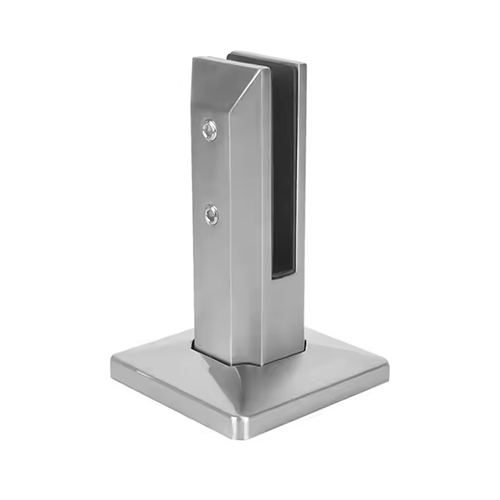
Stainless Steel Spider Fittings Glass Canopy Case in Buenos Aires
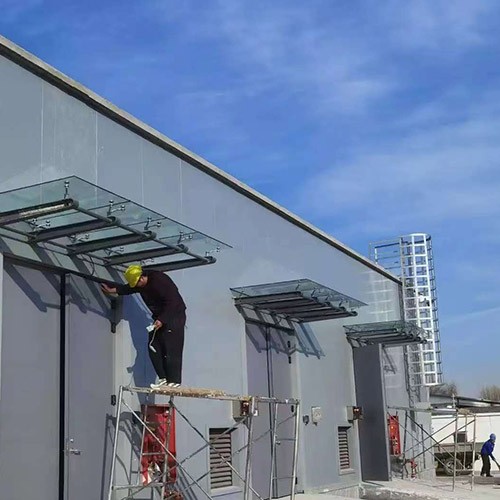
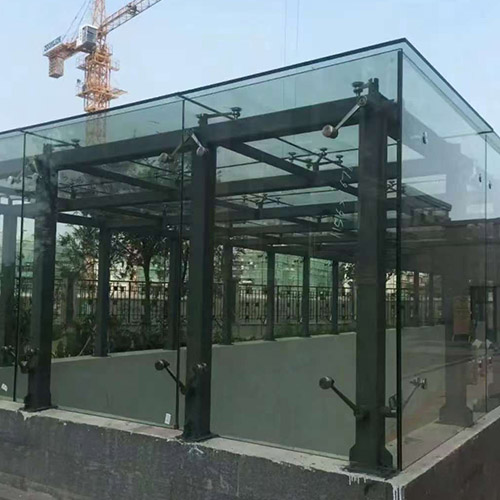
The application of stainless steel spider fittings in modern architectural facades has become an essential solution for buildings that require transparency, strength, and flexibility. In Buenos Aires, the demand for contemporary glass structures has increased significantly, especially in large residential projects, commercial complexes, and public buildings. This case study presents a completed glass skylight canopy installed at an underground garage entrance in Buenos Aires, Argentina, demonstrating how stainless steel spider fittings and spider routels were used to achieve structural stability, daylighting performance, and architectural aesthetics.
This real project showcases the use of stainless steel spider fittings to connect the tempered glass panels to a steel structure, forming a point-supported glass canopy system. The installation video is available here:
https://www.youtube.com/shorts/Ovw742ScwyM
The project integrates modern engineering principles with elegant design, utilizing premium glass hardware manufactured with precise machining and high-grade materials. Throughout the installation process, the team focused on both functionality and safety, ensuring that the entire skylight system could withstand load, vibration, and long-term environmental impacts typical of Buenos Aires—including wind pressure, humidity, and seasonal temperature variations.
1. Project Background: Why Buenos Aires Prefers Spider-Fitting Skylight Systems
Buenos Aires, located along the Río de la Plata, is known for its diverse climate characterized by hot summers, cold winters, and high humidity. These environmental conditions require façade and canopy systems that are both waterproof and flexible. Stainless steel spider fittings (araña de vidrio) are widely used in the region due to their ability to support glass without restricting thermal expansion or causing structural stress.
In the Argentina architectural market, keywords such as “marquesina de vidrio”, “vidrio templado”, “herrajes para vidrio”, and “accesorios de acero inoxidable” are frequently searched by local engineers, architects, and project managers. Integrating these elements into the design ensures that the canopy system meets both functional and visual standards expected in Buenos Aires.
The garage entrance canopy in this project required a structure that allowed natural sunlight to enter while protecting vehicles and pedestrians from rain. Stainless steel spider fittings were ideal because they provide minimal visual obstruction while maintaining impressive load-bearing capacity.
To learn more about the spider fitting products used in this project, you can visit the manufacturer’s product page:
Spider Fittings: https://www.stainlesssteelhardwares.com/spider-fittings.html
Spider Routel: https://www.stainlesssteelhardwares.com/Spider-Routel.html
2. Structure Overview and Material Composition
The skylight canopy was designed with a combination of:
-
Tempered laminated glass (vidrio templado laminado)
-
Hot-dip galvanized steel structure (estructura metálica)
-
Stainless steel spider fittings (acero inoxidable 304/316)
-
Spider routels for point support (rótulas araña)
-
Weather-resistant silicone seals
The tempered glass provides high impact resistance and safety. If breakage occurs, the glass fragments adhere to the PVB film, preventing falling hazards. The steel structure, meanwhile, supports the weight of the glass and directs loads into the main building frame.
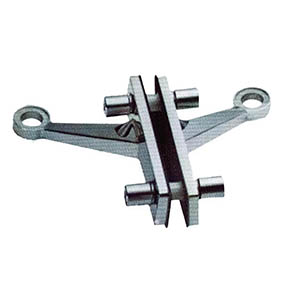
Stainless steel spider fittings and routels act as the key connecting hardware. They are installed at strategic points on the glass, typically at the corners or edges, allowing the glass to maintain stability while distributing load through the steel arms. This fixing method minimizes the need for heavy metal frames, creating a transparent, lightweight appearance.
What makes this design exceptionally suitable for Buenos Aires is its ability to absorb thermal expansion, especially during temperature fluctuations between day and night. Traditional glass systems that rely on rigid frames often break or deform when exposed to such conditions. Spider fittings solve this issue by providing articulated flexibility, allowing controlled movement.
3. Structural Stability and Load Testing: Worker Standing on Glass Panel
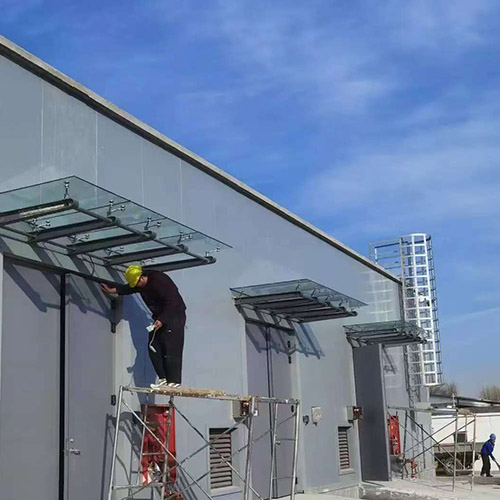
One of the most revealing moments captured in the project video is the scene where a construction worker stands directly on the completed glass skylight. This demonstration was not simply casual activity but an intentional load test to show the structural flexibility of the stainless steel spider fittings. In glass canopy systems, load-bearing is not only a matter of glass thickness but also the performance of the point-support hardware—particularly the spider arms and routels.
When the worker stepped on the glass, viewers could clearly see the slight downward flexing of the panel. Under normal circumstances, if the glass were installed directly on a rigid steel structure without flexible connectors, such movement would transmit stress unevenly, increasing the risk of cracking or sudden failure. However, with the stainless steel spider fittings connecting the glass to the steel frame, the system exhibited controlled movement.
The routels (rótulas de vidrio) absorbed a portion of the pressure and distributed it across the nearby steel arms. This flexible connection helps neutralize the structural stress caused by human load, temperature expansion, wind vibration, and other environmental factors. In architectural terms, this is referred to as “controlled deformation”, a beneficial feature that ensures long-term safety and durability.
In Buenos Aires, where rainstorms and wind pressure are common, such dynamic performance is essential. The ability of the canopy to handle real human load is a strong indication that the system is safe for daily use, even in demanding weather.
This real-world demonstration also reinforces one of the main selling points of spider fitting systems: they are not only visually appealing but structurally dependable.
For more details about the spider routels used in this project, refer to:
https://www.stainlesssteelhardwares.com/Spider-Routel.html
4. Why Stainless Steel Spider Fittings Are Ideal for Buenos Aires Architecture
Spider fittings, known in Spanish as “araña de vidrio”, have become increasingly popular in Argentine architecture. Architects and developers favor them for several reasons:
a. Modern Aesthetic Appeal
In Buenos Aires, especially in areas such as Palermo, Puerto Madero, and Recoleta, architecture combines European elegance with contemporary design. Transparent glass canopies supported by minimal hardware align perfectly with this style. The stainless steel fittings allow the structure to appear light and airy while still being strong and functional.
b. Resistance to Corrosion
Buenos Aires has varying humidity levels and rainfall throughout the year. Using stainless steel, especially grade 316, provides excellent resistance against corrosion. This ensures that the spider arms, bolts, and routels maintain their integrity over time.
c. Flexibility for Thermal Expansion
Daily temperature changes, particularly in the transitional seasons, can cause glass materials to expand and contract. The articulated design of spider fittings accommodates such movement without affecting stability. This is a major advantage compared to traditional rigid frames.
d. Strong Load-Bearing Capacity
Spider fittings allow for the installation of larger glass panels without compromising safety. This is especially useful for skylights, canopies, and façade installations.
e. Easy Maintenance
Glass canopies with spider fittings require less cleaning since the hardware is minimal and easy to access. Maintenance teams appreciate the simplicity of checking and tightening the fittings.
f. Enhanced Daylighting
A glass skylight canopy dramatically enhances natural lighting. In many commercial and residential projects in Argentina, daylighting is a key design element because it improves ambience and reduces electricity usage.
Because of these advantages, search terms such as “herrajes de acero inoxidable”, “accesorios para vidrio”, and “marquesina de vidrio” are frequently used by local professionals. Embedding these terms in project documentation helps the article appear in local searches.
5. Installation Process of the Glass Skylight Canopy
The installation of the canopy followed a systematic approach to ensure safety, efficiency, and precision. Below is an overview of the main steps taken during the construction:
Step 1: Preparation of the Steel Structure
The steel beams and supports were fabricated off-site and delivered to the project location. After assembly, each element was inspected for correct alignment, weld strength, and surface treatment. Hot-dip galvanization was chosen for its resistance to rust and long-term exposure.
Step 2: Placement of Spider Fittings
Before lifting the glass panels, the stainless steel spider fittings were mounted onto the designated steel nodes. Proper torque and alignment were essential. The installers used precision tools to ensure that each spider arm was placed accurately according to design drawings.
For details about the stainless steel spider fittings used in this case:
https://www.stainlesssteelhardwares.com/spider-fittings.html
Step 3: Fixing of Spider Routels
The routels (point-support connectors) were attached to the ends of the spider arms. These routels act as the interface between the glass hole and the metal structure. Proper installation ensures even force distribution across the glass panel.
Step 4: Hoisting Tempered Glass Panels
The tempered laminated glass sheets were lifted using suction equipment. Installers carefully positioned each panel to align with the routels. Once aligned, bolts were tightened to secure the glass in place.
Spanish keyword inserted: vidrio templado laminado, commonly used in Argentina.
Step 5: Silicone Waterproofing
After securing all panels, a high-performance weatherproof silicone was applied along the edges. This created a watertight seal to prevent leakage during rainstorms.
Step 6: Final Inspection and Load Testing
The final stage included visual inspection, alignment checks, cleaning, and the documented load test performed by having a worker step onto the installed glass. This validated the structure’s flexibility and strength.
6. Performance and Long-Term Durability
The stainless steel spider fitting system provides outstanding long-term performance. In environments such as Buenos Aires, the high humidity and fluctuating temperatures can pose challenges for architectural metal fixtures. However, this project demonstrated that stainless steel spider fittings are capable of maintaining structural integrity and aesthetic appeal under such conditions.
Key performance advantages include:
-
Thermal adaptability
-
Impact resistance
-
Vibration flexibility
-
Corrosion resistance
-
Minimal visual footprint
-
Easy replacement of damaged panels
One notable feature of spider systems is the ability to replace individual glass panels without removing entire sections of the façade—a significant advantage for long-term maintenance.
In Argentina, similar installations have been widely adopted in airports, shopping centers, museums, and luxury residential buildings. Search terms such as “fachada de vidrio” and “estructura de acero inoxidable” are commonly used by local architects evaluating similar systems.
7. Design Aesthetics and Architectural Appeal
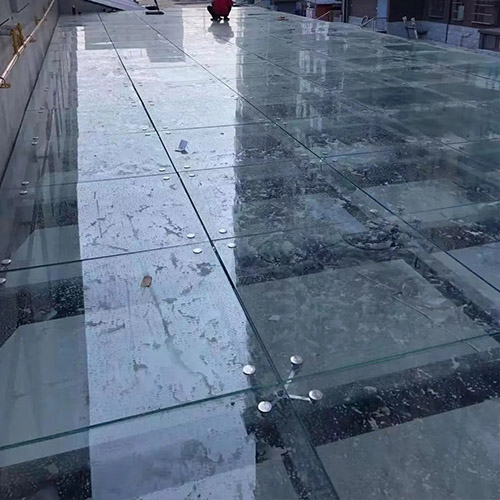
Beyond technical performance, one of the primary reasons architects choose stainless steel spider fittings is their minimalist and elegant appearance. The glass canopy in Buenos Aires demonstrates how a modern design can harmonize with urban architecture:
-
The transparency of the glass (vidrio transparente) allows daylight to illuminate the underground garage entrance naturally, reducing energy consumption and creating a welcoming environment.
-
The slender spider arms (araña de acero inoxidable) create minimal visual obstruction while securely supporting the glass.
-
The canopy’s clean lines and floating appearance reflect contemporary design principles popular in neighborhoods such as Puerto Madero and Palermo.
-
Combined with tempered glass, the system conveys both lightness and structural strength, making the building more visually appealing.
Architects often search for phrases like “marquesina de vidrio Buenos Aires” or “accesorios para fachada de vidrio” when designing similar projects, making this content highly relevant for SEO in the local market.
8. Practical Applications and Use Cases
The stainless steel spider fitting system installed in this Buenos Aires project is versatile and suitable for multiple applications:
-
Commercial building skylights and entrances
-
Underground garage glass canopies
-
Office building façades
-
Residential luxury home glass roofs
-
Shopping mall atriums and light wells
-
Observation decks or glass viewing platforms
The flexibility, durability, and aesthetic appeal of the system make it a preferred choice for architects, contractors, and developers seeking modern, safe, and low-maintenance glass structures in Argentina.
9. Advantages Over Traditional Systems
When compared to conventional rigid glass frames:
-
Enhanced Safety: Spider fittings allow controlled movement under load, reducing the risk of glass breakage.
-
Improved Thermal Expansion Compensation: Temperature changes are absorbed by the hardware, preventing stress fractures.
-
Larger Panel Installation: Glass sheets can be larger due to distributed point support.
-
Minimal Visual Footprint: The hardware is small and sleek, providing a more transparent and elegant look.
-
Simplified Maintenance: Individual glass panels can be replaced without dismantling the entire structure.
10. Integration with Local Climate Considerations
Buenos Aires features hot summers, cold winters, high humidity, and occasional heavy rains. The project showcases how stainless steel spider fittings adapt to these conditions:
-
Corrosion resistance: 316-grade stainless steel prevents rust even in humid or coastal areas.
-
Structural flexibility: Accommodates thermal expansion and minor wind sway.
-
Weatherproof sealing: High-quality silicone ensures no water leakage.
-
Long lifespan: The system can last decades without performance degradation.
These attributes are critical for architects and building managers seeking low-maintenance, long-lasting façade solutions.
11. Video Demonstration and Real-World Validation
The YouTube video linked here demonstrates the completed installation and real-world load testing:
https://www.youtube.com/shorts/Ovw742ScwyM
Viewers can clearly observe:
-
How the glass deflects slightly under a worker’s weight
-
How the spider routels distribute stress
-
The transparency and minimal visual obstruction of the structure
-
Overall architectural beauty of the skylight canopy
This practical demonstration reinforces trust in the product for potential buyers and engineers evaluating similar systems in Argentina.
12. Product Details and Resources
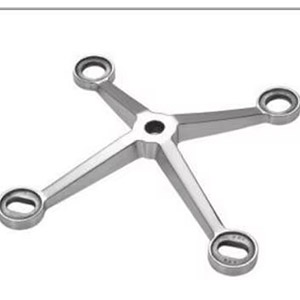
Spider Fittings (Araña de Vidrio)
Stainless steel 304/316, precision-machined, used to connect glass panels to steel structure with minimal visual impact.
Product link: Spider Fittings
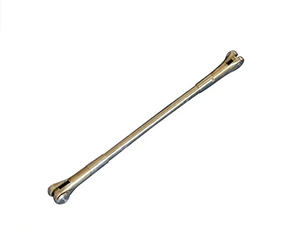
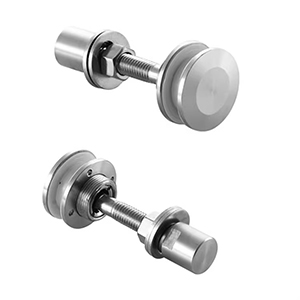
Spider Routels (Rótulas Araña)
Provide point support for tempered glass, allowing flexibility under load.
Product link: Spider Routel
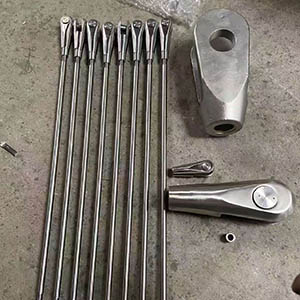
Tension Rod System / Stainless Steel Bolts
Maintain structural stability and distribute load efficiently.
All hardware is corrosion-resistant, durable, and designed for architectural precision.
13. Conclusion and Call to Action
This Buenos Aires glass skylight canopy project demonstrates the optimal integration of aesthetics, safety, and technical performance. The stainless steel spider fittings and routels not only support large glass panels but also provide controlled flexibility, resistance to environmental factors, and a sleek architectural appearance.
Architects and builders seeking modern glass façade solutions can leverage these products for:
-
Residential villas
-
Commercial plazas
-
Office skylights
-
Underground garage entrances
-
Public observation areas
Explore more products and technical details: