Modern Stainless Steel Railing Installation in N'Djamena | DIY Guide
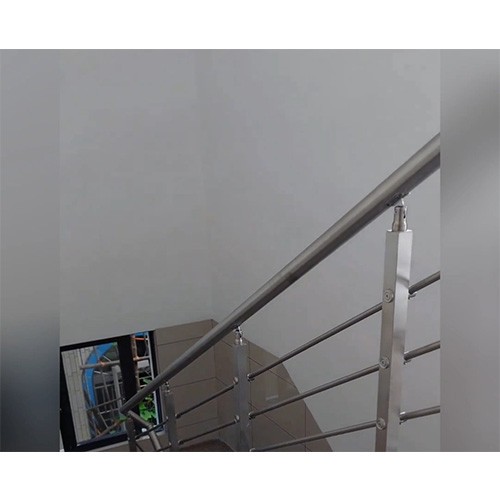
As N'Djamena continues to grow and modernize, from the bustling streets of the Sabangali district to the expanding residential areas near Farcha, homeowners and contractors are increasingly looking for building materials that blend aesthetic appeal with extreme durability. In the heart of Chad, where the climate can be harsh—dusty winds (Harmattan) and intense heat—traditional wood or iron railings often degrade quickly.
This is where Stainless Steel (Inox) comes in.
In this comprehensive guide, we are taking you behind the scenes of a recent installation project. We will show you exactly how to install a Square Post Stainless Steel Rod Railing System—a design that is currently trending in high-end villas and commercial buildings across N'Djamena.
You can watch the quick visual summary of this installation on our YouTube channel here: Watch Installation Video
Chapter 1: Why Stainless Steel is Perfect for N'Djamena Homes
Before we dive into the "how-to," it is crucial to understand why this material is the top choice for Chadian architecture.
N'Djamena experiences high temperatures. Ordinary iron paints peel off, and wood cracks. Our Stainless Steel Hardwares (specifically 304 and 316 grades) are resistant to thermal expansion and corrosion. In French, we call this l'acier inoxydable, or simply "Inox," known for its longevity.
2. Easy Maintenance against Dust
In a city prone to dust storms, cleaning intricate ironwork is a nightmare. The sleek, round rods and smooth square posts of our system allow you to simply wipe them down. A quick wipe keeps your rampe d'escalier (stair railing) shining like new.
3. Modern Aesthetic
The combination of square posts and horizontal rod infills creates a minimalist, open feel that makes interior spaces in N'Djamena homes look larger and more luxurious.
For this project, we utilized a specific set of high-quality components available on our website. To achieve the look in the video, you need the right hardware.
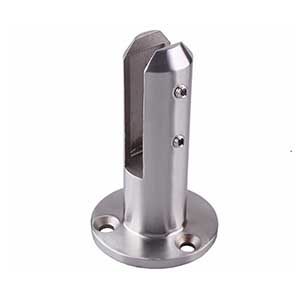
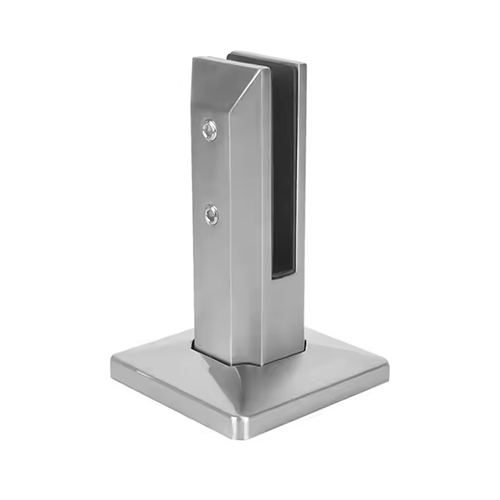
The Pillars: Square Stainless Steel Posts. These provide the structural integrity.
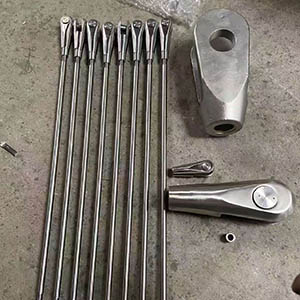
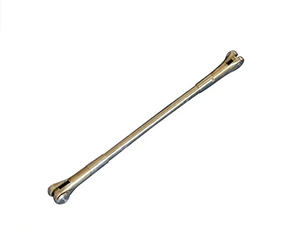
The Infill: Solid Stainless Steel Rods (Crossbars). These replace traditional glass or vertical balusters for a more industrial look.
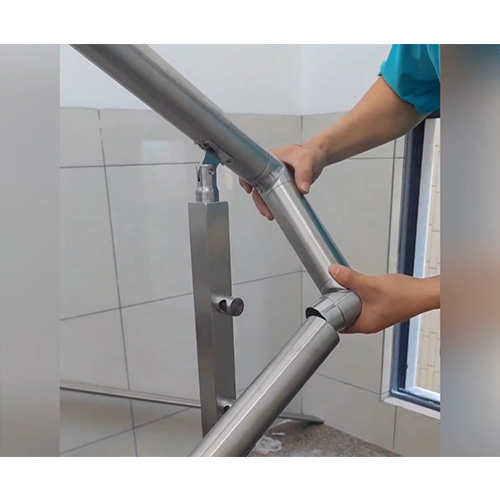
The Handrail: A Round Stainless Steel Tube for a comfortable grip.
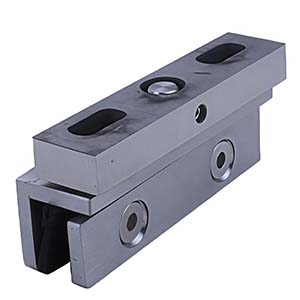
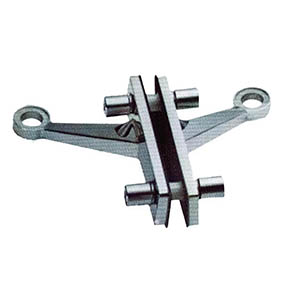
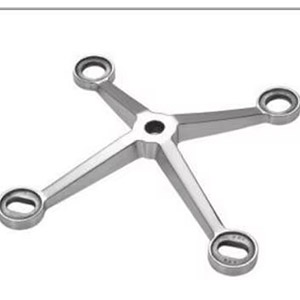
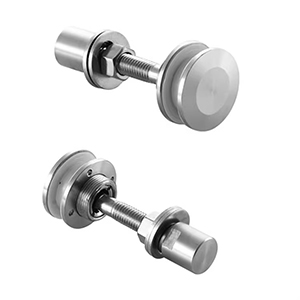
The Connectors: This is where precision matters. We used adjustable Handrail Brackets to connect the posts to the top rail.
Check out the specific component here: Stainless Steel Handrail Brackets
Chapter 3: Step-by-Step Installation Process
Let’s break down the video into a detailed tutorial. Whether you are a professional contractor in Moursal or a DIY enthusiast in Gassi, follow these steps for a rigid and safe installation.
Step 1: Preparation and Marking (La Préparation)
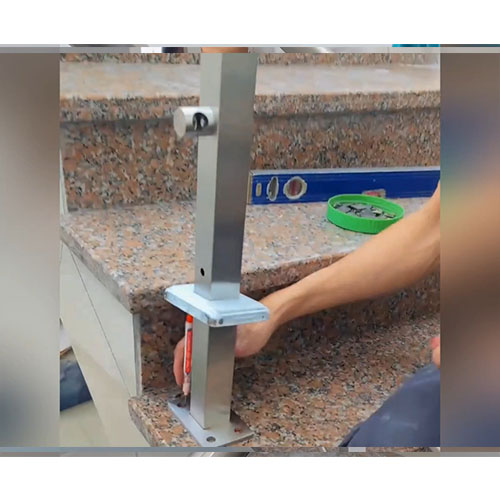
The foundation is everything. In our video, you see the installation taking place on a granite-tiled concrete staircase.
Measure the Pitch: Calculate the angle of your stairs. This determines where the holes on the posts need to be drilled if they aren't pre-drilled.
Mark the Anchoring Points: Place your square posts on the steps. Ensure they are aligned perfectly using a laser line or a chalk line. In N'Djamena construction, precision here prevents "wobbly" rails later.
Step 2: Drilling and Anchoring to Concrete
As seen in the footage, the strength of the railing comes from the base.
Use a high-power hammer drill to bore holes into the concrete through the granite.
Insert heavy-duty expansion bolts (often called goujons d'ancrage locally).
Pro Tip: Do not tighten fully yet. Leave a little room for adjustment to ensure the post is perfectly vertical (plumb).
Step 3: Threading the Rods (The "Infill" Stage)
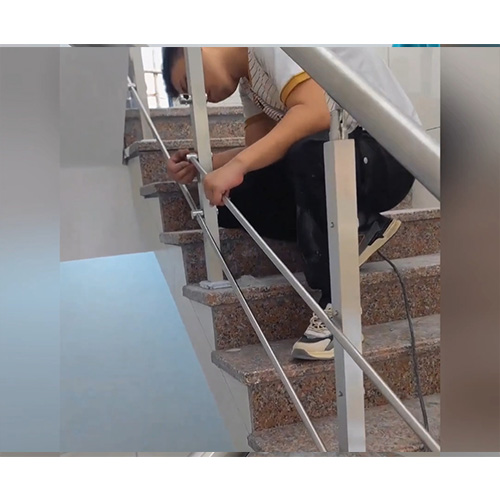
This is the unique feature of this specific design shown in our YouTube video. Instead of welding everything on site, we use a "pass-through" system.
The square posts come with pre-drilled holes equipped with protective sleeves.
Slide the stainless steel solid rods through these holes. This creates the safety barrier.
This method is faster and cleaner than welding every joint, reducing the fire risk during installation—a great benefit for occupied homes in Chad.
Step 4: Welding and Fixing the Top Handrail
Once the posts are secure and the rods are threaded:
Place the handrail bracket saddles onto the tops of the square posts.
Lay the round top handrail onto the saddles.
Spot Welding (Soudure): As demonstrated by the sparks in our video, a professional TIG weld is used to secure the handrail to the bracket. This ensures the rail won't move under heavy weight.
Note: If you don't have welding equipment, we also offer adhesive-based or screw-based connectors on www.stainlesssteelhardwares.com.
Step 5: Grinding and Polishing (La Finition)
The video highlights the spark-flying action of an angle grinder.
Grind down any excess weld beads to make the surface flush.
Use a polishing flap disc to restore the "grain" of the stainless steel.
The result is a seamless, mirror-like or satin finish that looks like a single piece of art.
Chapter 4: Localization – Adapting to N'Djamena’s Construction Standards
When importing hardware or designing for Chad, you must consider local usage.
Security First:
In many N'Djamena neighborhoods, railings also serve a security function. The solid rod system is incredibly strong. Unlike glass, which can break, or wood, which can rot, stainless steel bars provide a formidable barrier.
Supply Chain:
Sourcing high-quality Inox locally in Chad can sometimes be difficult or expensive due to import logistics. Ordering directly from specialized manufacturers like Stainless Steel Hardwares ensures you get the exact grade (SS304/SS316) you pay for, delivered to your specifications. We understand the logistics required to get products to African markets.
Once your railing is installed, how do you keep it looking great in the Sahel environment?
Dust Removal: Use a soft cotton cloth. Do not use steel wool, as it can scratch the surface and leave iron particles that rust.
Water Spots: If you are in an area with hard water, dry the railing immediately after cleaning.
The Lemon Trick: For a natural shine available in any N'Djamena market, a mixture of lemon juice and water can remove minor stains and grease from hands.
Chapter 6: Frequently Asked Questions (FAQ)
Q: Can I install this system outdoors in N'Djamena?
A: Yes. For outdoor use, especially during the rainy season, we recommend Grade 316 stainless steel for maximum corrosion resistance.
Q: Do you ship to Chad?
A: Please contact our support team via our website. We work with international logistics to help supply projects globally.
Q: How do I calculate the cost for my staircase?
A: Measure the total linear meters of your staircase. Count the number of steps to determine how many posts you need (usually one post every 2-3 steps depending on the span). Visit our product pages for unit prices.
Conclusion: Transform Your Space Today
The installation of a stainless steel railing system is more than just a safety requirement; it is a design statement. As seen in our YouTube Video, the transformation from a bare concrete stair to a sleek, modern architectural feature is stunning.
Whether you are building a new office complex in the city center or renovating a family home, Stainless Steel Hardwares provides the professional-grade components you need.
Ready to start your project?
Browse our catalog of handrail brackets and railing systems here: https://www.stainlesssteelhardwares.com/handrail-bracket.html
Don't forget to check out the full visual guide:
Watch the Installation on YouTube