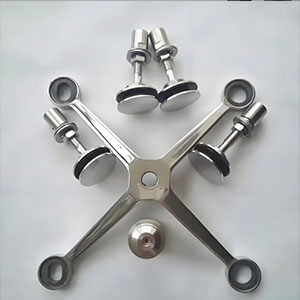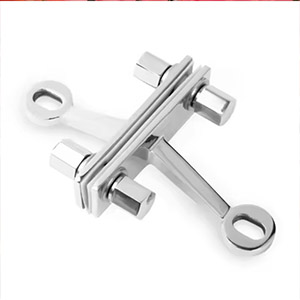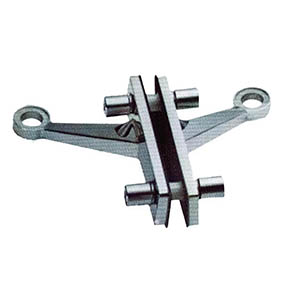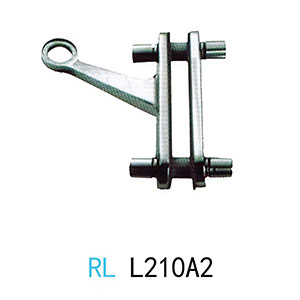
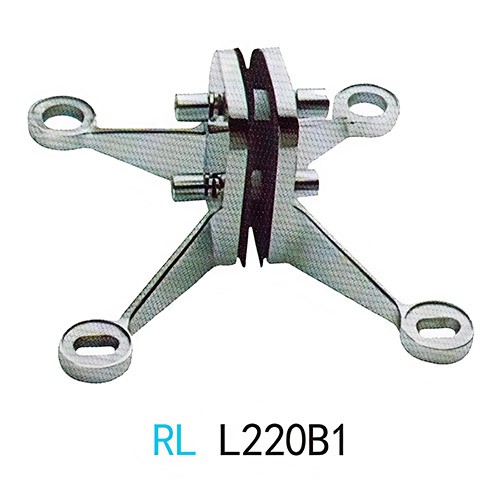
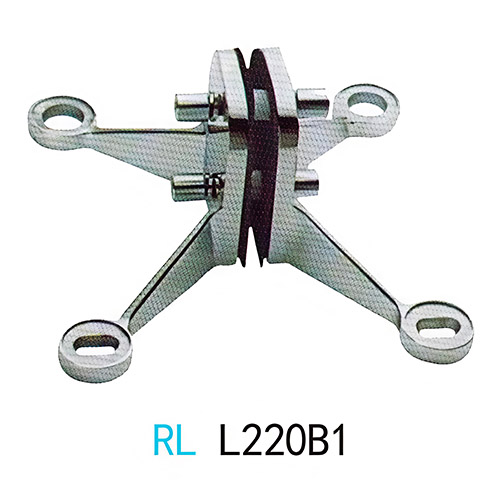
RL L220B1 4-Way Glass Fin Spider Fitting (RL L220B1
RL L220B1 4-Way Glass Fin Spider Fitting (RL L220B1
High-performance RL L220B1 4-way glass fin spider fitting for heavy duty frameless facades. Engineered to absorb thermal expansion. Ideal for עכביש לזכוכית projects.
RL L220B1 4-Way Glass Fin Spider Fitting for Heavy Duty Frameless Facades
Creating a towering frameless glass facade requires more than just aesthetic vision; it demands uncompromising structural hardware. The RL L220B1 4-way glass fin spider fitting is specifically engineered to handle immense dynamic loads, dead weights, and environmental stresses in large scale architectural projects.
Designed to clamp directly onto a vertical structural glass fin, this four arm glass connector anchors intersecting glass panels securely while allowing for necessary micro movements. Whether you are constructing a modern shopping mall atrium, an airport terminal, or a high tech corporate headquarters, this spider fitting delivers superior reliability and visual elegance.
1. Precision Technical Parameters and Structural Standards
Understanding the precise measurements of your facade mounting bracket is the first step to a flawless installation. The RL L220B1 is manufactured from premium cast stainless steel, ensuring it meets strict international structural glazing standards.
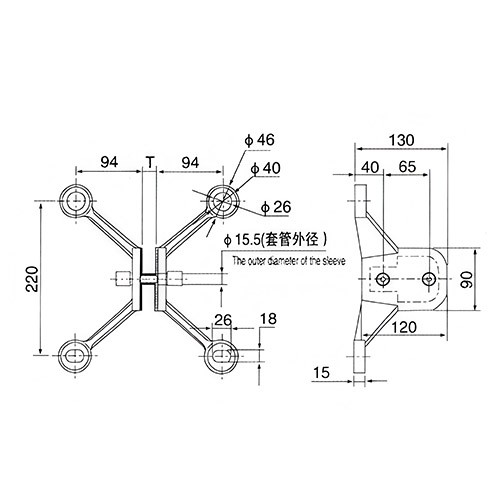
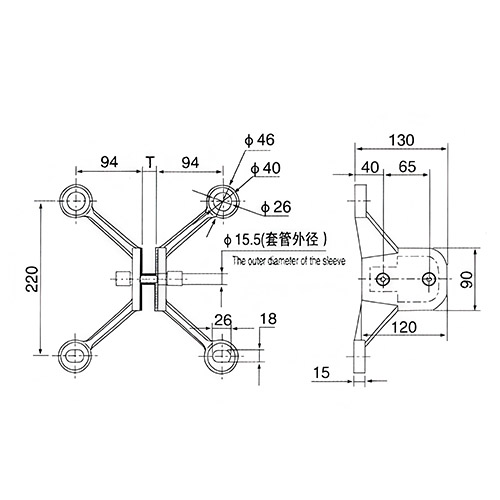
Based on our precise engineering blueprints, the technical specifications are detailed below:
Model: RL L220B1
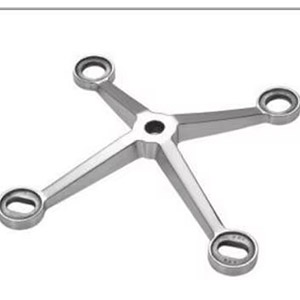
Configuration: 4-way glass fin mounting bracket (Four Arms)
Vertical Center to Center Distance: 220mm
Horizontal Reach: 94mm from the central fin to the center of the mounting holes on each side
Central Fin Clamp Thickness (T): Fully customizable to accommodate single or laminated glass fins
Mounting Hole Diameters: Outer step diameter 46mm, inner hole 26mm (Compatible with standard hardware)
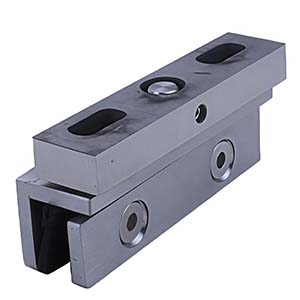
Base Plate Dimensions: 130mm overall length, 90mm height, providing massive clamping friction
Base Plate Bolt Spacing: 65mm between the heavy duty clamping bolts
Lower Arm Slotted Holes: Unique 26mm by 18mm oval design on the bottom arms for installation tolerance
Sleeve Outer Diameter: 15.5mm
Material Options: High grade SUS304 or SUS316 Stainless Steel
When sourcing spider fittings for mega projects, contractors often face hidden costs with inferior products. Here is how the RL L220B1 provides a distinct advantage over standard market competitors.
Thermal Expansion Management
Standard four arm connectors often feature rigid, circular mounting holes on all arms. When glass panels heat up and expand, this rigidity creates severe stress at the drill holes, leading to cracks. The RL L220B1 intelligently incorporates slotted oval holes (26mm by 18mm) on the lower arms. This slight vertical tolerance allows the massive glass panels to expand and contract naturally without transferring stress to the joints.
Superior Fin Clamping Friction
Many competitor brackets use small clamping areas that slip under the extreme weight of facade glass. Our RL L220B1 utilizes a robust 130mm by 90mm base plate secured by dual heavy duty bolts spaced 65mm apart. This creates an immovable grip on the structural fin, safely transferring all wind and dead loads down to the primary building structure.
3. Comprehensive Application Scenarios and Installation Guide
The four arm glass fin spider is the central node in complex transparent architectures. It connects four adjacent glass panes while anchoring them to the main support fin.
Standard Installation Workflow
For a secure and durable curtain wall system, we recommend the following process:
Fin Preparation: Position and secure the vertical glass fin. Slide the RL L220B1 central channel over the fin.
Clamping: Insert the protective rubber gaskets on both sides of the fin to prevent metal to glass contact. Tighten the dual bolts to the specified torque.
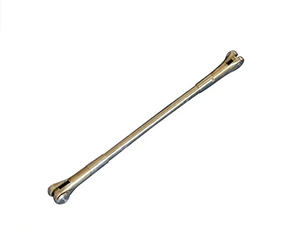
Attaching Routels: Connect your selected [Spider Routel] to all four arms of the bracket. Ensure the routels inserted into the bottom slotted holes are properly aligned to allow vertical sliding.
Glass Hanging: Hoist the large facade panels into place. Connect the top panels first to bear the dead weight, then secure the lower panels.
Structural Reinforcement: For facades exceeding standard heights, builders should integrate a robust [Bracket / Support Bracket] at the base floor to support the fin weight. Alternatively, [Tension rods / Stainless Steel Rod] arrays can be used in conjunction with the spiders for maximum wind resistance.
Finishing the Environment: To maintain the modern transparent aesthetic at the ground level, secure adjacent interior balconies with our sleek [Glass spigots] or stabilize glass railings using our heavy duty [Fixing Clamp / Glass Clamp].
To see structural load testing and advanced installation techniques in action, visit our official engineering video channel: https://www.youtube.com/channel/UC3Lo3jsy1LWw0fH03FHZFug
4. Real World Case Study: Overcoming Extreme Climate Challenges in Jerusalem
To demonstrate the superior engineering of the RL L220B1, we look at a highly demanding project in Jerusalem, Israel. This historical yet modernizing city presents a unique challenge for structural glass: massive temperature fluctuations. The high altitude desert climate means burning hot days and freezing cold nights, creating extreme thermal expansion cycles for building materials.
We recently supplied the facade hardware for a modern corporate office lobby located in the Har Hotzvim high tech district of Jerusalem. The architectural design required a stunning completely transparent lobby enclosure utilizing massive glass panels supported by heavy glass fins.
Local building codes also demand extremely high safety ratings to prevent glass shattering under sudden pressure changes or structural impacts. The architects needed hardware that could handle both the heavy glass weight and the aggressive thermal shifting.
We supplied the RL L220B1 four arm glass connector in SUS316 stainless steel. The slotted lower holes on our fittings proved to be the project savior.
The lead installation supervisor for the local construction firm provided this incredible feedback:
The temperature drops in Jerusalem can be brutal on rigid facades. On previous projects using standard rigid spiders, we would wake up to hear popping sounds in the morning as the glass expanded, and we constantly worried about spider cracks. When we installed your RL L220B1 fittings, the slotted holes on the bottom arms made alignment incredibly fast. More importantly, those slots gave the heavy glass panels the exact amount of breathing room they needed to expand during the midday heat. It has been a full year through summer and winter, and the facade is completely silent and structurally flawless. These fittings saved us massive liability and maintenance costs.
This success story highlights that selecting the right hardware is essential for adapting to local environmental conditions.
5. Structured Frequently Asked Questions (FAQ)
To assist architects and facade engineers in creating the perfect Topic Cluster of information, we have answered the most common technical questions below.
Why does the RL L220B1 have different hole shapes on the top and bottom arms?
This is a critical engineering feature for large facades. The top circular holes (26mm diameter) are designed to lock the glass panel in place and carry the dead weight of the glass. The bottom oval slotted holes (26mm by 18mm) act as a slip joint. They allow the glass panels below to expand upward slightly due to thermal changes without putting pressure on the stainless steel fitting.
What thickness of glass fin can the base plate accommodate?
The dimension labeled as T on our structural drawing is flexible. By using different bolt lengths and internal gasket thicknesses, the RL L220B1 can securely clamp onto glass fins ranging from 12mm up to 30mm, making it perfect for thick laminated safety glass.
Are these suitable for structural glass canopies as well?
While the RL L220B1 is unmatched for vertical fin walls, using them for overhead glass canopies requires careful consideration of the slotted holes. For horizontal canopies, we generally recommend specialized canopy fittings paired with our [Tension rods / Stainless Steel Rod] to prevent horizontal shifting.
Do you provide compatible accessories?
Yes, our factory produces a complete ecosystem of glass hardware. From the articulating routels that connect to the spider arms, to the heavy duty [spider fittings] for corners, we supply everything needed for your project.
How is the product packaged for international shipping?
Each heavy duty glass connector is individually wrapped in protective foam to prevent scratches to the polished or brushed surface. They are then boxed and packed into reinforced wooden crates, ensuring they arrive at your global construction site in pristine condition.
Elevate Your Next Architectural Project
When building a transparent envelope that must withstand the test of time, weather, and gravity, the RL L220B1 4-way glass fin spider fitting is the only logical choice. With precise engineering, thermal expansion tolerance, and massive clamping strength, it provides ultimate peace of mind.
Discover more innovative structural solutions and complete your project material list by visiting our dedicated category page at https://www.stainlesssteelhardwares.com/fin-spider.html. Partner with us to build safer, stronger, and more beautiful glass facades today.
Creating a towering frameless glass facade requires more than just aesthetic vision; it demands uncompromising structural hardware. The RL L220B1 4-way glass fin spider fitting is specifically engineered to handle immense dynamic loads, dead weights, and environmental stresses in large scale architectural projects.
Designed to clamp directly onto a vertical structural glass fin, this four arm glass connector anchors intersecting glass panels securely while allowing for necessary micro movements. Whether you are constructing a modern shopping mall atrium, an airport terminal, or a high tech corporate headquarters, this spider fitting delivers superior reliability and visual elegance.
1. Precision Technical Parameters and Structural Standards
Understanding the precise measurements of your facade mounting bracket is the first step to a flawless installation. The RL L220B1 is manufactured from premium cast stainless steel, ensuring it meets strict international structural glazing standards.
Based on our precise engineering blueprints, the technical specifications are detailed below:
Model: RL L220B1
Configuration: 4-way glass fin mounting bracket (Four Arms)
Vertical Center to Center Distance: 220mm
Horizontal Reach: 94mm from the central fin to the center of the mounting holes on each side
Central Fin Clamp Thickness (T): Fully customizable to accommodate single or laminated glass fins
Mounting Hole Diameters: Outer step diameter 46mm, inner hole 26mm (Compatible with standard hardware)
Base Plate Dimensions: 130mm overall length, 90mm height, providing massive clamping friction
Base Plate Bolt Spacing: 65mm between the heavy duty clamping bolts
Lower Arm Slotted Holes: Unique 26mm by 18mm oval design on the bottom arms for installation tolerance
Sleeve Outer Diameter: 15.5mm
Material Options: High grade SUS304 or SUS316 Stainless Steel
Finishes Available: Elegant satin brushed or highly reflective mirror polished
When sourcing spider fittings for mega projects, contractors often face hidden costs with inferior products. Here is how the RL L220B1 provides a distinct advantage over standard market competitors.
Thermal Expansion Management
Standard four arm connectors often feature rigid, circular mounting holes on all arms. When glass panels heat up and expand, this rigidity creates severe stress at the drill holes, leading to cracks. The RL L220B1 intelligently incorporates slotted oval holes (26mm by 18mm) on the lower arms. This slight vertical tolerance allows the massive glass panels to expand and contract naturally without transferring stress to the joints.
Superior Fin Clamping Friction
Many competitor brackets use small clamping areas that slip under the extreme weight of facade glass. Our RL L220B1 utilizes a robust 130mm by 90mm base plate secured by dual heavy duty bolts spaced 65mm apart. This creates an immovable grip on the structural fin, safely transferring all wind and dead loads down to the primary building structure.
3. Comprehensive Application Scenarios and Installation Guide
The four arm glass fin spider is the central node in complex transparent architectures. It connects four adjacent glass panes while anchoring them to the main support fin.
Standard Installation Workflow
For a secure and durable curtain wall system, we recommend the following process:
Fin Preparation: Position and secure the vertical glass fin. Slide the RL L220B1 central channel over the fin.
Clamping: Insert the protective rubber gaskets on both sides of the fin to prevent metal to glass contact. Tighten the dual bolts to the specified torque.
Attaching Routels: Connect your selected [Spider Routel] to all four arms of the bracket. Ensure the routels inserted into the bottom slotted holes are properly aligned to allow vertical sliding.
Glass Hanging: Hoist the large facade panels into place. Connect the top panels first to bear the dead weight, then secure the lower panels.
Structural Reinforcement: For facades exceeding standard heights, builders should integrate a robust [Bracket / Support Bracket] at the base floor to support the fin weight. Alternatively, [Tension rods / Stainless Steel Rod] arrays can be used in conjunction with the spiders for maximum wind resistance.
Finishing the Environment: To maintain the modern transparent aesthetic at the ground level, secure adjacent interior balconies with our sleek [Glass spigots] or stabilize glass railings using our heavy duty [Fixing Clamp / Glass Clamp].
To see structural load testing and advanced installation techniques in action, visit our official engineering video channel: https://www.youtube.com/channel/UC3Lo3jsy1LWw0fH03FHZFug
4. Real World Case Study: Overcoming Extreme Climate Challenges in Jerusalem
To demonstrate the superior engineering of the RL L220B1, we look at a highly demanding project in Jerusalem, Israel. This historical yet modernizing city presents a unique challenge for structural glass: massive temperature fluctuations. The high altitude desert climate means burning hot days and freezing cold nights, creating extreme thermal expansion cycles for building materials.
We recently supplied the facade hardware for a modern corporate office lobby located in the Har Hotzvim high tech district of Jerusalem. The architectural design required a stunning completely transparent lobby enclosure utilizing massive glass panels supported by heavy glass fins.
Local building codes also demand extremely high safety ratings to prevent glass shattering under sudden pressure changes or structural impacts. The architects needed hardware that could handle both the heavy glass weight and the aggressive thermal shifting.
We supplied the RL L220B1 four arm glass connector in SUS316 stainless steel. The slotted lower holes on our fittings proved to be the project savior.
The lead installation supervisor for the local construction firm provided this incredible feedback:
The temperature drops in Jerusalem can be brutal on rigid facades. On previous projects using standard rigid spiders, we would wake up to hear popping sounds in the morning as the glass expanded, and we constantly worried about spider cracks. When we installed your RL L220B1 fittings, the slotted holes on the bottom arms made alignment incredibly fast. More importantly, those slots gave the heavy glass panels the exact amount of breathing room they needed to expand during the midday heat. It has been a full year through summer and winter, and the facade is completely silent and structurally flawless. These fittings saved us massive liability and maintenance costs.
This success story highlights that selecting the right hardware is essential for adapting to local environmental conditions.
5. Structured Frequently Asked Questions (FAQ)
To assist architects and facade engineers in creating the perfect Topic Cluster of information, we have answered the most common technical questions below.
Why does the RL L220B1 have different hole shapes on the top and bottom arms?
This is a critical engineering feature for large facades. The top circular holes (26mm diameter) are designed to lock the glass panel in place and carry the dead weight of the glass. The bottom oval slotted holes (26mm by 18mm) act as a slip joint. They allow the glass panels below to expand upward slightly due to thermal changes without putting pressure on the stainless steel fitting.
What thickness of glass fin can the base plate accommodate?
The dimension labeled as T on our structural drawing is flexible. By using different bolt lengths and internal gasket thicknesses, the RL L220B1 can securely clamp onto glass fins ranging from 12mm up to 30mm, making it perfect for thick laminated safety glass.
Are these suitable for structural glass canopies as well?
While the RL L220B1 is unmatched for vertical fin walls, using them for overhead glass canopies requires careful consideration of the slotted holes. For horizontal canopies, we generally recommend specialized canopy fittings paired with our [Tension rods / Stainless Steel Rod] to prevent horizontal shifting.
Do you provide compatible accessories?
Yes, our factory produces a complete ecosystem of glass hardware. From the articulating routels that connect to the spider arms, to the heavy duty [spider fittings] for corners, we supply everything needed for your project.
How is the product packaged for international shipping?
Each heavy duty glass connector is individually wrapped in protective foam to prevent scratches to the polished or brushed surface. They are then boxed and packed into reinforced wooden crates, ensuring they arrive at your global construction site in pristine condition.
Elevate Your Next Architectural Project
When building a transparent envelope that must withstand the test of time, weather, and gravity, the RL L220B1 4-way glass fin spider fitting is the only logical choice. With precise engineering, thermal expansion tolerance, and massive clamping strength, it provides ultimate peace of mind.
Discover more innovative structural solutions and complete your project material list by visiting our dedicated category page at https://www.stainlesssteelhardwares.com/fin-spider.html. Partner with us to build safer, stronger, and more beautiful glass facades today.