Tension Rod Glass Curtain Wall Guide | Spider Fittings & Rigging
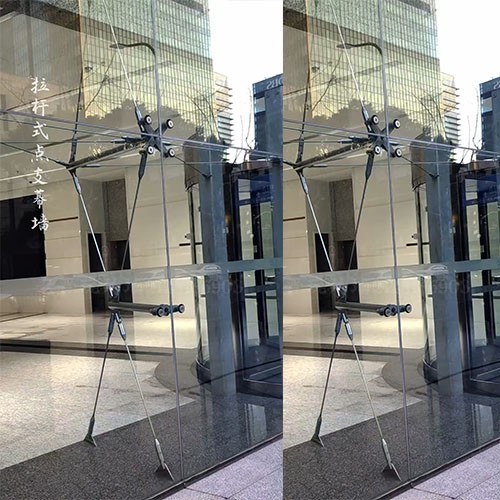
You can first intuitively experience the forming process of this magnificent facade through our video presentation:
Watch the video demonstration here: https://www.youtube.com/shorts/FyPr_i1J6d0
1. Core Technical Parameters and Structural Standards
A stable and aesthetically pleasing exterior facade system relies heavily on precision-manufactured underlying architectural hardware. In a point-fixed glazing structure, every load-bearing point requires rigorous calculation.
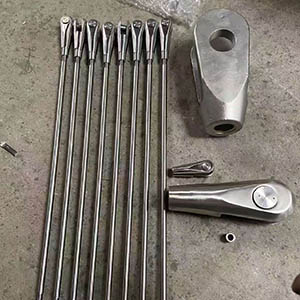
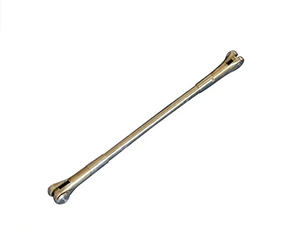
High-Strength Tension Rods (Stainless Steel Rod System)
The rigging system acts as the skeleton of the entire facade, responsible for bearing and transferring wind loads and the dead weight of the glass.
Material Standard: Manufactured from Marine Grade SS316 or SS316L, offering exceptional corrosion resistance suitable for harsh climates.
Yield Strength: Customized high-yield points ensure that the structure does not permanently deform under heavy wind pressure.
Surface Finish: Available in brushed or mirror-polished finishes, balancing engineering strength with architectural beauty.
Discover more specifications: Stainless Steel Tension Rods & Rigging
The Load-Bearing Core: Stainless Steel Spider Fittings
Acting as the crucial bridge connecting the rod system to the panels, the design of these claws is vital.
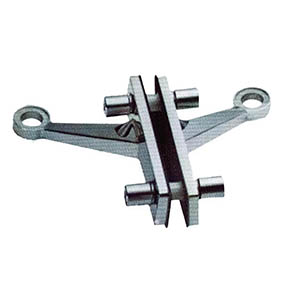
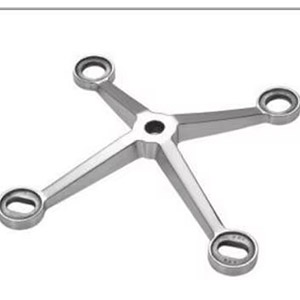
Structural Types: We offer 4-way, 3-way, 2-way, and single-arm configurations to accommodate various installation needs at edges, corners, and central areas.
Axial Load Capacity: Through Precision Casting, our products effectively distribute stress, preventing panel breakage.
Explore the complete product line: Stainless Steel Spider Fittings
Flexible Connection: Spider Routel
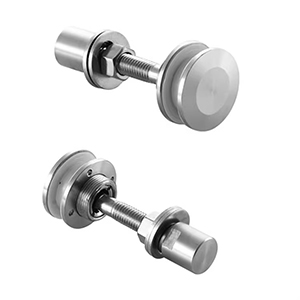
When securing panels with spider arms, it is mandatory to equip them with high-quality Spider Routels. These fittings contain internal flexible gaskets (usually silicone or PTFE) that absorb minor building vibrations and thermal expansion, achieving a connection that is both rigid and flexible.
2. Step-by-Step On-Site Installation Guide
To ensure absolute structural safety, assembling exterior frameless glazing must follow strict construction protocols:
Step 1: Positioning and Pre-tensioning. Fix the load-bearing supports onto the main building structure. Connect the stainless steel rods to designated positions using rigging fasteners. Use specialized tools to tension and straighten the rods, ensuring the entire web meets flatness and tension standards.
Step 2: Installing the Supports. Fasten the spider fittings through their central holes onto the nodes of the tensioned cables. Adjust the angles to ensure all arms are perfectly level.
Step 3: Positioning the Panels. Use lifting equipment to carefully hoist the pre-drilled tempered laminated glass into place.
Step 4: Locking the Routels. Pass the Spider Routel through the drilled holes and thread them securely into the arms of the fittings. Tighten with a torque wrench to complete the final assembly.
3. Competitive Advantages: Us vs. Competitors
In the architectural hardware market, the difference in quality often determines the lifespan of a project. Our structural support systems offer significant advantages over standard competitors:
Material Purity: Competitors often use inferior 304 or even 201 materials that rust easily outdoors. Our entire line uses high-quality 316 grade as standard, passing rigorous salt spray tests with vastly superior anti-corrosion performance.
Manufacturing Process: Many competitors use simple stamping or low-pressure casting, leaving internal air pockets. We utilize lost-wax precision casting, ensuring high metal density and superior tensile strength.
System Compatibility: We provide a one-stop-shop for fully standardized components—from tension elements to joints—with millimeter-level tolerance control, significantly reducing on-site adjustment costs.
4. Global Use Case: Commercial Plaza in Rio de Janeiro, Brazil
We have numerous successful projects globally. Take, for example, a large commercial complex on the coast of Rio de Janeiro, Brazil, an area facing strong ocean winds and a highly saline atmosphere.
Project Requirements: The exterior wall required maximum light transmission while needing to withstand coastal typhoon-level wind pressures. Furthermore, the materials had to resist rusting from the salty sea breeze.
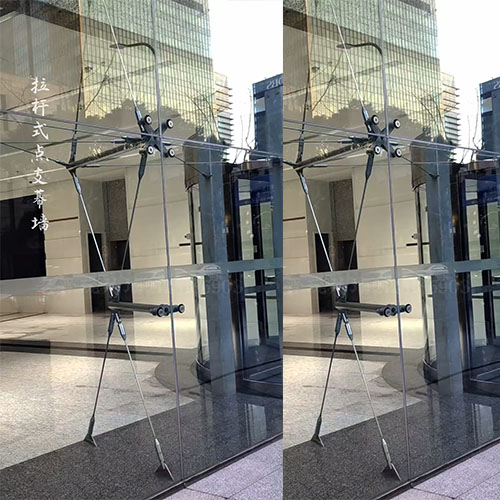
Solution: We customized thickened SS316 tension rods paired with heavy-duty 4-way stainless steel spider fittings for this project. Once the facade was formed, it not only achieved the "invisible frame" effect desired by the architects but also demonstrated excellent stability during several severe weather events.
Client Testimonial:
"As a local facade contractor in Rio, our requirements for hardware are incredibly strict. The Spider Fittings and Tension Rods provided by this supplier are impeccable in both machining precision and material finish. The installation process was remarkably smooth, and the final finished facade is absolutely stunning." — Carlos S., Facade Project Director
5. Extended Reading: Comprehensive Architectural Hardware Solutions
Beyond massive outdoor structural projects, we possess exceptional manufacturing capabilities for indoor architectural glass hardware. For instance, in the bathroom spaces of high-end hotels or residences, our Shower Door Pivot hardware maintains the same high-standard manufacturing process as our facade components, ensuring safe and smooth operation for indoor enclosures.
6. Structured FAQ
Q1: What thickness of glass can your spider fittings accommodate?
A: Our standard products, when paired with the appropriate Routel, typically accommodate single or double-glazed laminated glass ranging from 12mm to 25mm in thickness. Extended threading can be customized for thicker panels.
Q2: Does the rigging rod system require regular maintenance?
A: The SS316 material itself is maintenance-free. However, from an engineering perspective, it is recommended to perform an annual check on the tensioning at the nodes to ensure the continuous stability of the load-bearing web.
Q3: Can these system components adapt to curved facade designs?
A: Absolutely. Our universal joint connectors and flexible arm designs allow for precise angle adjustments according to the building's curvature, perfectly fitting curved surfaces.