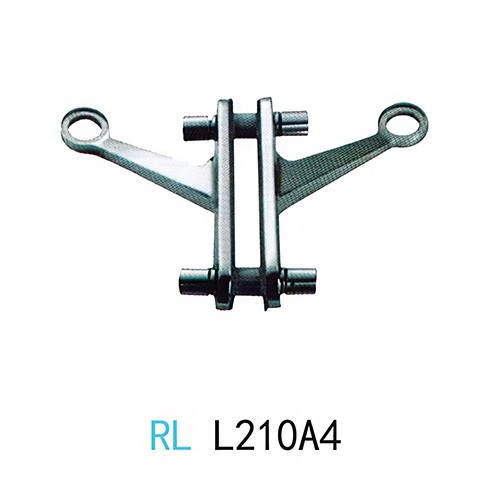
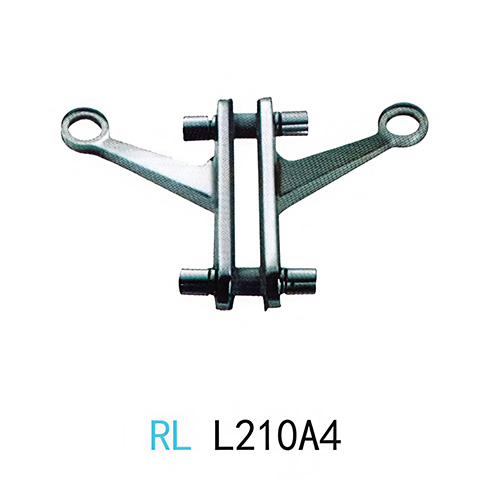
RLL210A4 2-Way Glass Fin Spider Fitting
RLL210A4 2-Way Glass Fin Spider Fitting
Discover the RLL210A4 2-way glass fin spider fitting. Engineered for frameless glass facades with high wind and salt spray resistance. Ideal for coastal architecture.
RLL210A4 2-Way Glass Fin Spider Fitting for Frameless Architectural Facades
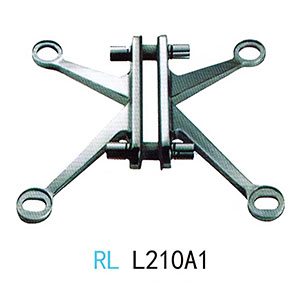
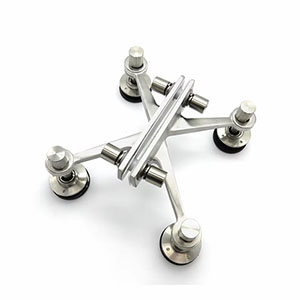
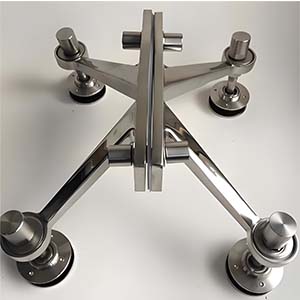
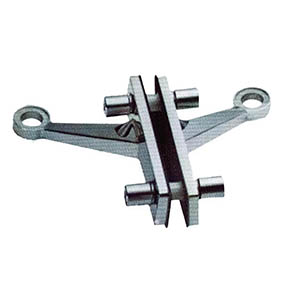
Welcome to the ultimate solution for structural glass facades. The RLL210A4 2-way glass fin spider fitting is meticulously engineered to provide maximum stability for frameless glass curtain walls. Designed to clamp securely onto vertical glass fins, this double arm structural bracket transfers wind loads and dead weights effectively, ensuring the safety and aesthetic brilliance of your commercial building.
Whether you are constructing a modern shopping mall atrium or a luxury coastal resort, the RLL210A4 glass connector delivers unparalleled performance.
1. Technical Parameters and Structural Standards
Understanding the precise dimensions of your architectural hardware is crucial for a flawless installation. The RLL210A4 double arm fin spider is manufactured to strict international structural standards, ensuring seamless integration into your facade design.
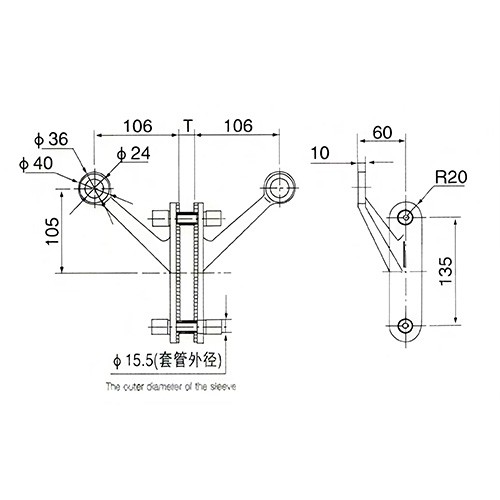
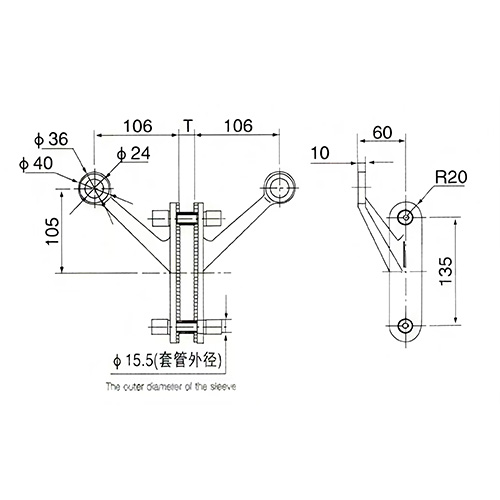
Based on our rigorous engineering blueprints, the technical specifications are as follows:
Model: RL L210A4
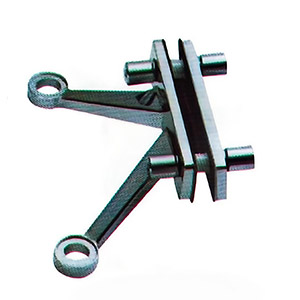
Configuration: 2-way glass fin mounting bracket (Double Arm)
Center to Center Distance: 212mm (106mm from the central fin to each glass panel hole)
Height Measurement: 105mm from the horizontal center line to the top glass fixing hole
Central Fin Clamp Thickness (T): Customizable to accommodate various glass fin thicknesses (typically 12mm to 25mm)
Fixing Hole Diameter: Supports 36mm and 40mm options for versatile glass integration
Base Plate Length: 135mm providing a massive contact area for load distribution
Base Plate Thickness: 10mm robust solid stainless steel plate
Sleeve Outer Diameter: 15.5mm
Material Options: Premium Stainless Steel Grade SUS304, SUS316, or SUS316L (Highly recommended for marine environments)
Surface Treatment: Satin brushed or mirror polished finish
These precise metrics ensure that the structural glazing spider absorbs dynamic movements, thermal expansion, and seismic shifts without compromising the glass integrity.
2. Why Choose RLL210A4? Advantages Over Competitors
In the competitive market of glass facade hardware, building contractors and architects often face the dilemma of choosing between cost and longevity. Here is how the RLL210A4 outperforms standard market alternatives.
Exceptional Corrosion Resistance for Coastal Areas
Many standard structural brackets rust within a few years when exposed to high humidity and salt spray. Our RLL210A4, especially when forged from marine grade SUS316L, offers superior anti-corrosion properties. This is vital for island nations and coastal cities where the air is laden with salt.
Superior Wind Load Distribution
Competitor fittings often have rigid joints that cause stress concentration on the glass, leading to cracking during high winds. The RLL210A4 features an intelligent geometric design. When combined with our flexible [Spider Routel], it allows for multi-directional articulation, safely transferring strong wind loads back to the structural glass fin.
Faster Installation and Adjustment Tolerances
Time is money on a construction site. Unlike poorly machined alternatives, our double arm fin spider features precision-engineered slots and adjustable sleeves. This grants installers vital millimeters of tolerance, making the alignment of massive glass panels faster and safer.
3. Comprehensive Application Scenarios and Installation Guide
The RLL210A4 is the backbone of modern transparent architecture. Its primary application is in structural glass assemblies where maximum transparency is desired, such as airport terminals, corporate headquarters, oceanfront hotels, and luxury car showrooms.
Installation Workflow
To ensure a secure curtain wall system, follow these standard installation steps:
Preparation: Clean the glass fin and the main glass panels. Ensure the pre-drilled holes match the 15.5mm sleeve outer diameter.
Securing the Fin: Clamp the central body of the RLL210A4 onto the vertical glass fin. Tighten the central bolts to secure the T section firmly. Ensure a protective gasket is used to prevent metal to glass contact.
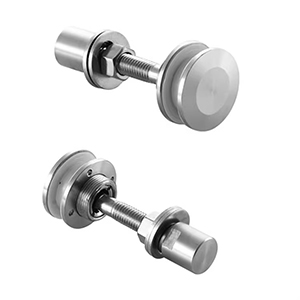
Connecting the Routels: Attach the appropriate [Spider Routel] to the left and right arms of the bracket.
Mounting the Glass: Hoist the external glass panels into place. The 106mm reach on each side allows for perfect seam alignment.
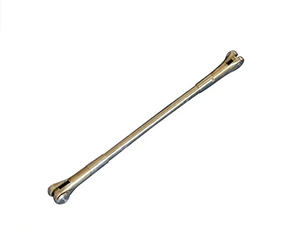
Supporting Structures: Depending on the height of the facade, you may need to integrate [Bracket / Support Bracket] hardware at the base, or utilize [Tension rods / Stainless Steel Rod] systems to reinforce the roof canopy above the facade.
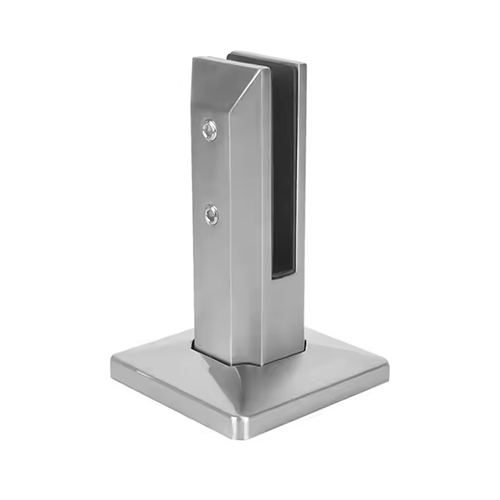
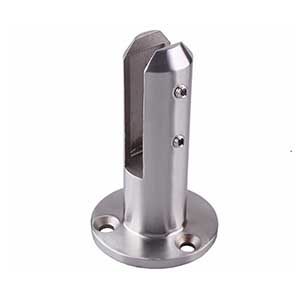
Finishing Touches: For ground level safety barriers near the facade, we recommend matching the aesthetic with our premium [Glass spigots] or securing interior balustrades with our heavy duty [Fixing Clamp / Glass Clamp].
For visual demonstrations of our hardware load testing and installation techniques, please visit our official engineering channel here: https://www.youtube.com/channel/UC3Lo3jsy1LWw0fH03FHZFug
4. Real World Case Study: Beating the Pacific Storms in Majuro, Marshall Islands
To truly understand the capability of the RLL210A4, we look to one of our most challenging geographical locations: Majuro in the Marshall Islands.
This beautiful atoll nation features a tropical marine climate. Buildings here face a relentless combination of high temperatures, continuous salt mist from the Pacific Ocean, and the constant threat of tropical storms and typhoons. Standard building materials deteriorate rapidly in this GEO location.
Last year, we supplied the complete facade hardware for a high end oceanfront hotel located in the heart of Majuro. The architects wanted an uninterrupted panoramic view of the lagoon, requiring a massive 15 meter high frameless glass wall supported entirely by glass fins.
The primary concern of the local developers was hardware failure. Coastal salt spray usually causes pitting rust on lower grade stainless steel within months, and typhoon winds create terrifying suction forces on glass panels.
We recommended the RLL210A4 configured in SUS316L mirror polished stainless steel. The 2-way glass fin spider fitting was deployed across the entire facade, securely anchoring the heavy insulated glass units to the deep glass fins.
The results spoke for themselves. After enduring a severe tropical storm season, the facade remained completely intact and structurally sound.
The local project manager provided this feedback:
We have always struggled with sourcing durable hardware for our island projects. We used to replace facade joints every three to four years because the salt air just eats through them. It was a maintenance nightmare. Since we installed the RLL210A4 fittings from your company, we have gone through two major storm seasons. I inspected the exterior last week, and there is not a single spot of corrosion on the metal, and the glass alignment hasn't shifted a millimeter. It has completely solved our coastal maintenance headaches.
This case proves that choosing the right [spider fittings] is not just an aesthetic choice, but a critical safety and financial decision for coastal real estate.
5. Structured Frequently Asked Questions (FAQ)
To help our clients make informed decisions, we have compiled the most common questions regarding our structural glass connectors.
What is the maximum glass thickness the RLL210A4 can accommodate?
The central clamping section denoted as T on our technical drawing is highly adaptable. It can securely clamp glass fins ranging from 12mm up to 25mm thick. If you are using laminated structural glass fins, we can provide longer threaded bolts to accommodate your specific design.
Can this fitting be used for overhead glass canopies?
While the RLL210A4 is primarily designed for vertical glass fins in curtain walls, its robust double arm structure makes it suitable for certain angled canopy designs, provided the load calculations are approved by a structural engineer. For heavy suspended canopies, we often recommend pairing it with our tension rod systems.
How do I maintain the stainless steel finish in coastal areas like the Marshall Islands?
For areas with high marine salinity like Majuro, we strictly provide the SUS316 or SUS316L variant. Maintenance is incredibly simple. We recommend washing the fittings with fresh water and mild soap every six months to remove any accumulated salt dust. The mirror polished finish also naturally repels microscopic salt particle buildup better than brushed surfaces.
Are these fittings compatible with standard routels?
Yes. The 36mm and 40mm hole diameters on the arms are designed to universally accept standard articulated routels. This ensures that the glass connector acts as a flexible joint, allowing the glass to bend slightly under wind pressure without breaking.
Do you provide installation manuals with the shipments?
Absolutely. Every bulk order of our architectural hardware comes with detailed technical drawings, torque specifications for the bolts, and a step by step installation guide to assist your local construction team.
Enhance Your Architectural Projects Today
Building a breathtaking frameless glass facade requires hardware that you can trust blindly. The RLL210A4 double arm fin spider offers the perfect balance of aesthetic elegance, structural integrity, and environmental resilience.
Explore our full range of structural glazing solutions by visiting our main fin spider category page at https://www.stainlesssteelhardwares.com/fin-spider.html. Upgrade your building standards today and build facades that last a lifetime.
Welcome to the ultimate solution for structural glass facades. The RLL210A4 2-way glass fin spider fitting is meticulously engineered to provide maximum stability for frameless glass curtain walls. Designed to clamp securely onto vertical glass fins, this double arm structural bracket transfers wind loads and dead weights effectively, ensuring the safety and aesthetic brilliance of your commercial building.
Whether you are constructing a modern shopping mall atrium or a luxury coastal resort, the RLL210A4 glass connector delivers unparalleled performance.
1. Technical Parameters and Structural Standards
Understanding the precise dimensions of your architectural hardware is crucial for a flawless installation. The RLL210A4 double arm fin spider is manufactured to strict international structural standards, ensuring seamless integration into your facade design.
Based on our rigorous engineering blueprints, the technical specifications are as follows:
Model: RL L210A4
Configuration: 2-way glass fin mounting bracket (Double Arm)
Center to Center Distance: 212mm (106mm from the central fin to each glass panel hole)
Height Measurement: 105mm from the horizontal center line to the top glass fixing hole
Central Fin Clamp Thickness (T): Customizable to accommodate various glass fin thicknesses (typically 12mm to 25mm)
Fixing Hole Diameter: Supports 36mm and 40mm options for versatile glass integration
Base Plate Length: 135mm providing a massive contact area for load distribution
Base Plate Thickness: 10mm robust solid stainless steel plate
Sleeve Outer Diameter: 15.5mm
Material Options: Premium Stainless Steel Grade SUS304, SUS316, or SUS316L (Highly recommended for marine environments)
Surface Treatment: Satin brushed or mirror polished finish
These precise metrics ensure that the structural glazing spider absorbs dynamic movements, thermal expansion, and seismic shifts without compromising the glass integrity.
2. Why Choose RLL210A4? Advantages Over Competitors
In the competitive market of glass facade hardware, building contractors and architects often face the dilemma of choosing between cost and longevity. Here is how the RLL210A4 outperforms standard market alternatives.
Exceptional Corrosion Resistance for Coastal Areas
Many standard structural brackets rust within a few years when exposed to high humidity and salt spray. Our RLL210A4, especially when forged from marine grade SUS316L, offers superior anti-corrosion properties. This is vital for island nations and coastal cities where the air is laden with salt.
Superior Wind Load Distribution
Competitor fittings often have rigid joints that cause stress concentration on the glass, leading to cracking during high winds. The RLL210A4 features an intelligent geometric design. When combined with our flexible [Spider Routel], it allows for multi-directional articulation, safely transferring strong wind loads back to the structural glass fin.
Faster Installation and Adjustment Tolerances
Time is money on a construction site. Unlike poorly machined alternatives, our double arm fin spider features precision-engineered slots and adjustable sleeves. This grants installers vital millimeters of tolerance, making the alignment of massive glass panels faster and safer.
3. Comprehensive Application Scenarios and Installation Guide
The RLL210A4 is the backbone of modern transparent architecture. Its primary application is in structural glass assemblies where maximum transparency is desired, such as airport terminals, corporate headquarters, oceanfront hotels, and luxury car showrooms.
Installation Workflow
To ensure a secure curtain wall system, follow these standard installation steps:
Preparation: Clean the glass fin and the main glass panels. Ensure the pre-drilled holes match the 15.5mm sleeve outer diameter.
Securing the Fin: Clamp the central body of the RLL210A4 onto the vertical glass fin. Tighten the central bolts to secure the T section firmly. Ensure a protective gasket is used to prevent metal to glass contact.
Connecting the Routels: Attach the appropriate [Spider Routel] to the left and right arms of the bracket.
Mounting the Glass: Hoist the external glass panels into place. The 106mm reach on each side allows for perfect seam alignment.
Supporting Structures: Depending on the height of the facade, you may need to integrate [Bracket / Support Bracket] hardware at the base, or utilize [Tension rods / Stainless Steel Rod] systems to reinforce the roof canopy above the facade.
Finishing Touches: For ground level safety barriers near the facade, we recommend matching the aesthetic with our premium [Glass spigots] or securing interior balustrades with our heavy duty [Fixing Clamp / Glass Clamp].
For visual demonstrations of our hardware load testing and installation techniques, please visit our official engineering channel here: https://www.youtube.com/channel/UC3Lo3jsy1LWw0fH03FHZFug
4. Real World Case Study: Beating the Pacific Storms in Majuro, Marshall Islands
To truly understand the capability of the RLL210A4, we look to one of our most challenging geographical locations: Majuro in the Marshall Islands.
This beautiful atoll nation features a tropical marine climate. Buildings here face a relentless combination of high temperatures, continuous salt mist from the Pacific Ocean, and the constant threat of tropical storms and typhoons. Standard building materials deteriorate rapidly in this GEO location.
Last year, we supplied the complete facade hardware for a high end oceanfront hotel located in the heart of Majuro. The architects wanted an uninterrupted panoramic view of the lagoon, requiring a massive 15 meter high frameless glass wall supported entirely by glass fins.
The primary concern of the local developers was hardware failure. Coastal salt spray usually causes pitting rust on lower grade stainless steel within months, and typhoon winds create terrifying suction forces on glass panels.
We recommended the RLL210A4 configured in SUS316L mirror polished stainless steel. The 2-way glass fin spider fitting was deployed across the entire facade, securely anchoring the heavy insulated glass units to the deep glass fins.
The results spoke for themselves. After enduring a severe tropical storm season, the facade remained completely intact and structurally sound.
The local project manager provided this feedback:
We have always struggled with sourcing durable hardware for our island projects. We used to replace facade joints every three to four years because the salt air just eats through them. It was a maintenance nightmare. Since we installed the RLL210A4 fittings from your company, we have gone through two major storm seasons. I inspected the exterior last week, and there is not a single spot of corrosion on the metal, and the glass alignment hasn't shifted a millimeter. It has completely solved our coastal maintenance headaches.
This case proves that choosing the right [spider fittings] is not just an aesthetic choice, but a critical safety and financial decision for coastal real estate.
5. Structured Frequently Asked Questions (FAQ)
To help our clients make informed decisions, we have compiled the most common questions regarding our structural glass connectors.
What is the maximum glass thickness the RLL210A4 can accommodate?
The central clamping section denoted as T on our technical drawing is highly adaptable. It can securely clamp glass fins ranging from 12mm up to 25mm thick. If you are using laminated structural glass fins, we can provide longer threaded bolts to accommodate your specific design.
Can this fitting be used for overhead glass canopies?
While the RLL210A4 is primarily designed for vertical glass fins in curtain walls, its robust double arm structure makes it suitable for certain angled canopy designs, provided the load calculations are approved by a structural engineer. For heavy suspended canopies, we often recommend pairing it with our tension rod systems.
How do I maintain the stainless steel finish in coastal areas like the Marshall Islands?
For areas with high marine salinity like Majuro, we strictly provide the SUS316 or SUS316L variant. Maintenance is incredibly simple. We recommend washing the fittings with fresh water and mild soap every six months to remove any accumulated salt dust. The mirror polished finish also naturally repels microscopic salt particle buildup better than brushed surfaces.
Are these fittings compatible with standard routels?
Yes. The 36mm and 40mm hole diameters on the arms are designed to universally accept standard articulated routels. This ensures that the glass connector acts as a flexible joint, allowing the glass to bend slightly under wind pressure without breaking.
Do you provide installation manuals with the shipments?
Absolutely. Every bulk order of our architectural hardware comes with detailed technical drawings, torque specifications for the bolts, and a step by step installation guide to assist your local construction team.
Enhance Your Architectural Projects Today
Building a breathtaking frameless glass facade requires hardware that you can trust blindly. The RLL210A4 double arm fin spider offers the perfect balance of aesthetic elegance, structural integrity, and environmental resilience.
Explore our full range of structural glazing solutions by visiting our main fin spider category page at https://www.stainlesssteelhardwares.com/fin-spider.html. Upgrade your building standards today and build facades that last a lifetime.