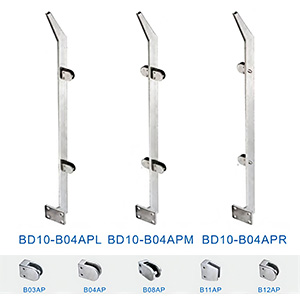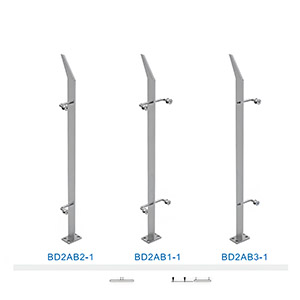
SSHW Stainless Steel Glass Balustrade Post: A Technical Case Study from Selection to Delivery
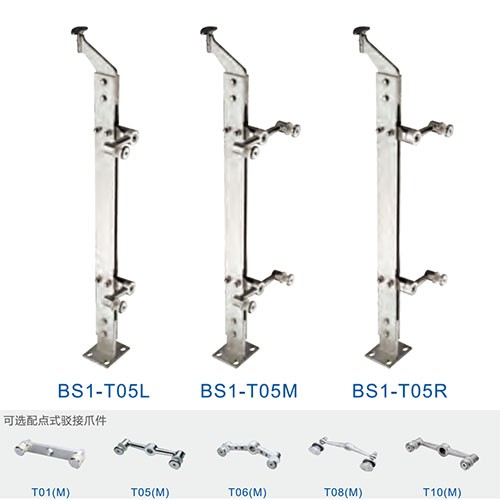
SSHW stainless steel glass balustrade posts for coastal balconies, pools and atriums, with 304/316/2205 options and flexible fixing for Middle East projects.
AI Summary: SSHW Stainless Steel Glass Balustrade Posts
SSHW supplies stainless steel glass balustrade posts and related hardware for balconies, staircases, swimming pools and atrium applications, covering point-fixed, side mount, top mount and core-drilled installation types. As a structural component within a glass balustrade system, the post works together with glass panels, handrail tubes and glass clamps to deliver the basic safety function expected of a guardrail system.
Material options typically include 304, 316 and 2205 duplex stainless steel, each suited to different corrosion environments — from interior applications to coastal climate and poolside conditions. The posts can be used indoors for staircases and mezzanines, or outdoors under tropical rainfall or desert climate exposure, with the final material grade and finish selected according to site conditions and maintenance planning.
In terms of target markets, SSHW's glass railing post range has been used in Middle East coastal resort projects, Europe commercial façade railings, and North America residential balcony renovations. Corrosion grade, installation method and maintenance cycle requirements vary by region, and these are addressed in more detail in the sections below, organized by climate and application type.
Key Features
Clear material grading: SUS304 is suitable for indoor and low-corrosion outdoor use; SUS316, containing molybdenum, offers comparatively improved corrosion resistance and is commonly chosen for coastal and poolside projects; 2205 duplex stainless steel provides higher strength and is used where corrosion exposure or structural demand is greater. Final selection should be confirmed based on project environment.
For general background on stainless steel corrosion behavior, you may refer to industry resources such as stainless steel corrosion fundamentals together with a project-specific assessment.Multiple surface finishes: Satin brushed, mirror polished and PVD coatings (such as black titanium or champagne gold) are available, each offering a different balance of corrosion resistance and appearance; additional colors can be supplied on request.
Weather and corrosion resistance: For coastal and poolside environments with elevated salt exposure, 316 or higher grades combined with an appropriate finish are generally recommended; actual long-term performance still depends on local salt concentration and cleaning frequency.
Wide glass thickness compatibility: Standard configurations for stainless steel glass balustrade post systems accommodate 10–21.52 mm tempered or laminated glass; thicker or special laminated builds can be evaluated and confirmed on a project basis.
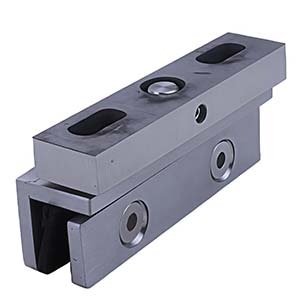
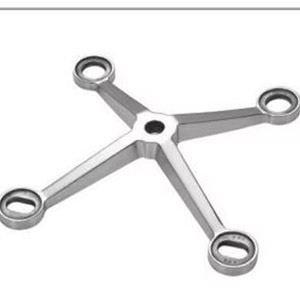
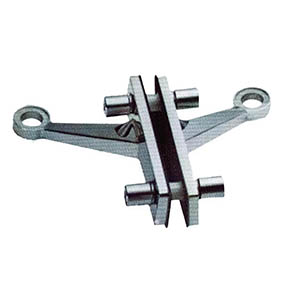
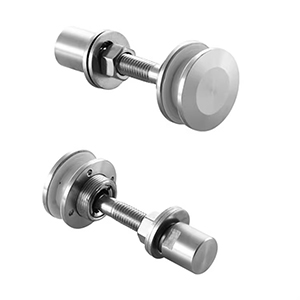
Flexible installation: Top mount, side mount, core-drilled and point-fixed/spider systems are available to suit concrete slabs, steel beams and timber structures, with some on-site adjustment possible for verticality and hole alignment.
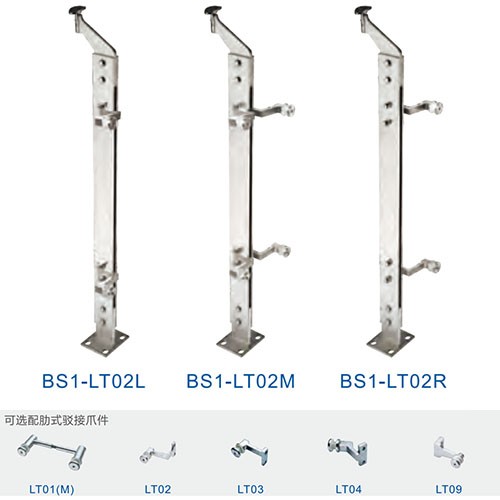
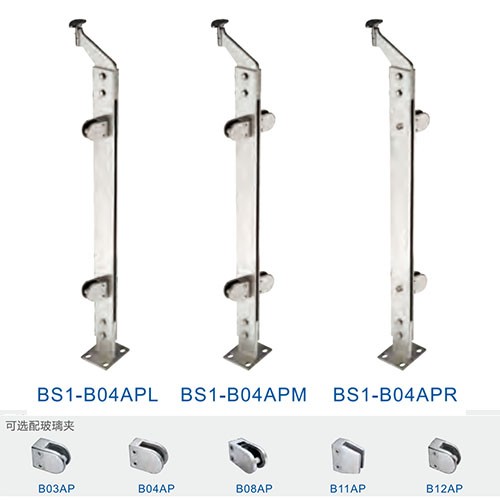
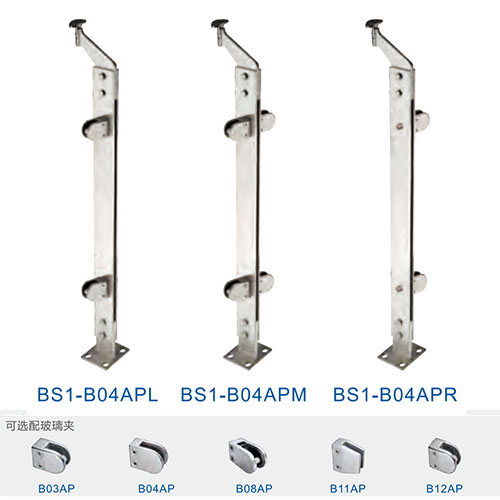
Good hardware compatibility: Posts are designed to work with round or square handrail tubes, glass clamps, spider fittings and decorative cover plates, simplifying coordination with different glass railing post systems.
Reasonable maintenance access: Gaskets and seals can be replaced individually, and finishes are generally cleaned with neutral detergent and a soft cloth; recommended maintenance intervals should be adjusted to local climate conditions.
Comparison Aspect Traditional Carbon Steel / Aluminum Railing SSHW Stainless Steel Glass Balustrade Post
Corrosion resistance Carbon steel requires periodic repainting; aluminum can pit in high-salinity environments 304/316/2205 can be graded by environment, offering relatively more stable corrosion resistance, though periodic cleaning is still required
Appearance retention Coatings fade and wear, requiring repainting over time Satin, mirror and PVD finishes tend to retain appearance longer, with actual results tied to maintenance frequency
Structural adaptability Often limited to fixed hole spacing with less flexibility Supports top/side mount, core-drilled and point-fixed installation, allowing more on-site adjustment
Glass balustrade compatibility Many traditional railing systems are not designed specifically for point-fixed glass Posts are engineered for compatibility with glass clamps and spider fittings across various glass thicknesses
Long-term maintenance cost Recurring rust removal and repainting typically increase cost over time Maintenance focuses mainly on cleaning and replacement of wear parts; actual cost depends on environment and service life
Suitable environments Better suited to inland, low-corrosion general buildings Can cover indoor to coastal and poolside medium-to-high corrosion environments, with material grade confirmed per project
Note: This comparison reflects general material and process characteristics rather than an absolute performance guarantee under all conditions. Actual performance should be evaluated based on project environment, maintenance plan, and relevant third-party testing.
Options & Configurations
Material grades: 304 (indoor, low-corrosion outdoor), 316 (general outdoor, coastal, poolside), 2205 duplex (high-corrosion or high-strength applications) — selection should be confirmed based on local salt spray levels and structural requirements.
Surface finishes & colors: Satin brushed, mirror polished, and PVD coatings in standard colors such as black or champagne gold; other colors or matte effects are available on request.
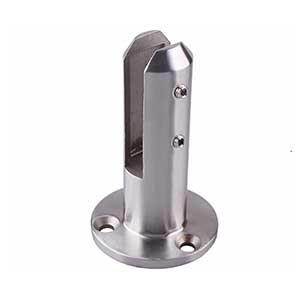
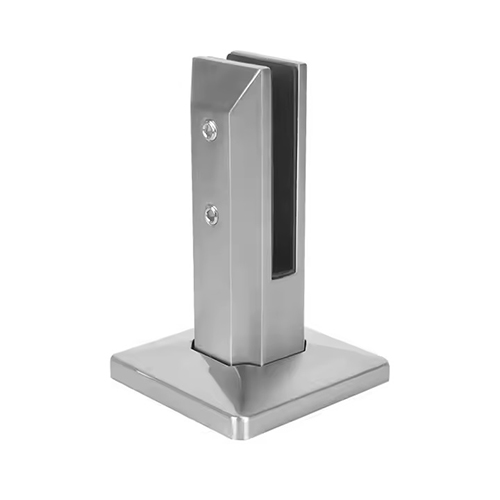
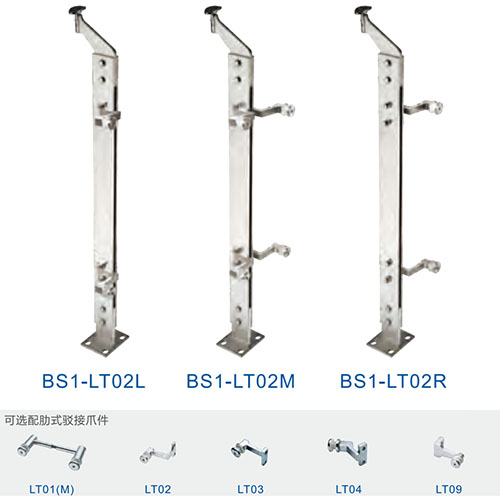
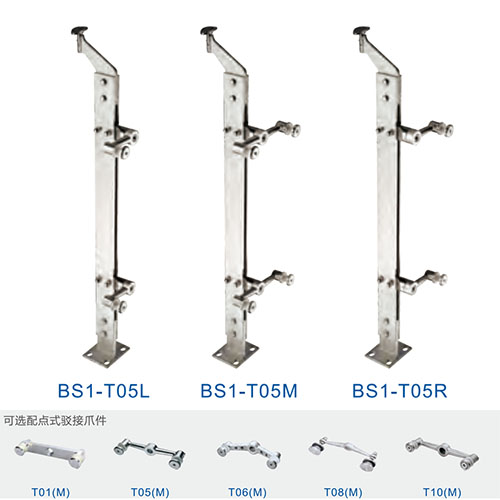
Installation methods: Top mount, side mount, core-drilled (embedded into concrete or steel), and point-fixed/spider systems, each suited to different substrates such as concrete slabs, steel beams, or timber structures.
Compatible glass thickness range: Standard 10–21.52 mm single tempered or laminated glass; thicker or specially laminated glass can be evaluated and confirmed per project.
Compatible post / handrail sizes: Common round tubes (e.g., Ø38 mm, Ø50 mm) and square tube handrails are supported; slotted cap rail configurations can be confirmed against project drawings.
Packaging & accessories: Standard accessories typically include fixing bolts, sealing gaskets, and cover plates; additional items such as extended bolts or tamper-resistant screws can be confirmed per project.
By Building Type / Climate / Substrate
By building and application type:
Coastal hotel pool fences: 316 or 2205 is generally recommended, paired with a finish that balances corrosion resistance and appearance.
High-rise urban balconies: Selection should account for local wind load and balustrade height requirements when determining post section and fixing type.
Shopping mall atrium balustrades: High foot-traffic areas demand careful attention to load and stability; point-fixed systems combined with structural engineer review are advisable.
Office façades, villa terraces, interior staircases/mezzanines: 304 or 316 can be selected depending on indoor/outdoor exposure, typically installed via top mount or side mount.
Coastal salt spray: 316 or 2205 is generally preferred, with finish selection balancing corrosion resistance and appearance; maintenance frequency tends to be higher.
Tropical rainfall: Drainage design and hardware waterproofing deserve attention to avoid localized corrosion from prolonged moisture exposure.
Desert climate: In sandy, windy environments, surface wear resistance should be considered, with regular cleaning reducing abrasive buildup.
Cold climate: Freeze-thaw cycling can affect seal integrity over time; low-temperature-rated sealing materials and periodic fastener checks are recommended.
Concrete slabs: Core-drilled or cast-in fixing is typically used.
Steel beams / metal decks: Welded base plates or bolted connections can be used, subject to structural engineer confirmation.
Timber structures: Dedicated timber connectors and waterproofing details are required.
Final material grade, post specification, and installation method should always be confirmed in coordination with local building codes, structural engineering input, and project-specific load conditions.
Technical Specifications
Markdown
| Model / Type | Material | Finish | Glass Thickness Range | Recommended Height / Post Spacing | Load Capacity | Installation Type | Indoor / Outdoor Use | Accessories Compatibility |
|----------------------|-----------------|---------------|------------------------|---------------------------------------------|-------------------------------------------------|---------------------------------|-------------------------------|-----------------------------------------------------|
| SSHW-GP-Standard | SUS304 / SUS316 | Satin / Mirror| 10–21.52 mm | Project specific / Typical: 900–1100 mm height | To be confirmed by project, calculated and tested per design load | Top mount / Side mount | Indoor / Outdoor | Handrail tubes, glass clamps, cover plates |
| SSHW-GP-Duplex | 2205 Duplex | Satin / PVD | 12–21.52 mm | Project specific | To be confirmed by project, calculated and tested per design load | Core-drilled / Point-fixed | Outdoor (high corrosion) | Spider fittings, structural clamps, cover plates |
| Custom Configuration | Available on request | Available on request | Available on request | Available on request | Available on request | Available on request | Available on request | Available on request |
The following documents can be provided on request (actual file formats and content subject to project discussion):
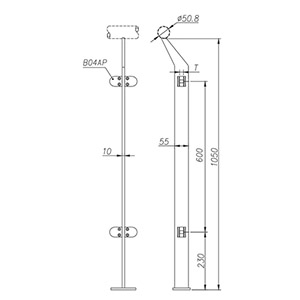
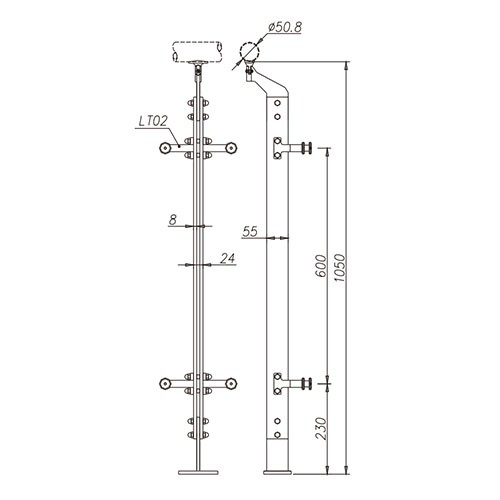
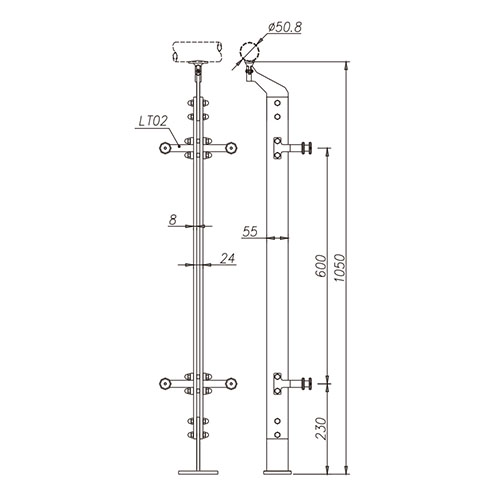
Product dimension drawings, including typical post sections and fixing hole patterns
Installation guides for different substrates (concrete, steel, timber)
DWG / PDF files for use by architects and detailing teams
Material certificates and test reports, according to project requirements
To request these materials, please contact the SSHW technical team via the website form or email, noting the project location, climate conditions, and estimated quantity so that relevant documentation can be prepared accordingly.
Testing & Evidence
SSHW can provide relevant test reports and certificates according to project needs, including:
Salt spray / corrosion resistance testing for coastal climate and tropical rainfall projects
Static, impact, or line load testing on balustrade posts, with test conditions and arrangements confirmed per project
Material composition and mechanical property certificates for stainless steel
Overall glass balustrade system performance testing, arranged according to local code requirements
On-site project photos and installation/demo videos, which may be linked to relevant content on SSHW's YouTube channel, for example this playlist of installation videos
It should be noted that specific testing standards, laboratories, and report numbers are determined based on actual project requirements. This document does not presuppose fixed standard numbers or test conclusions; all testing arrangements are confirmed through project communication.
Applications by Climate & Region
Coastal salt spray
Middle East coastal resort pool fences: Projects along the Dubai coastline, for example, typically call for 316 or higher-grade material.
Europe coastal villa balcony railings: Seaside residential projects in Spain or Portugal often require finish and cleaning frequency adjusted to local salinity levels.
Southeast Asia shopping mall glass balustrades: Commercial projects in Singapore or Kuala Lumpur require attention to drainage and hardware sealing performance.
Hotel infinity pool glass fences: High-humidity environments benefit from more frequent cleaning and fastener inspection.
Middle East commercial complex glass railings: Projects in Riyadh or Abu Dhabi often require regular surface cleaning due to sand and dust exposure.
North America high-rise apartment balconies: Projects in the Toronto area need to account for the long-term effects of freeze-thaw cycling on seals.
Northern European office terrace balustrades: Low-temperature-rated sealing materials are generally advisable.
1. Dubai projects face both coastal and desert climate exposure — how should balustrade posts be specified?
Coastal Middle East projects around Dubai often experience combined challenges of salt spray corrosion and sand abrasion. 316 stainless steel or 2205 duplex stainless steel is generally recommended, paired with a corrosion-resistant satin or PVD finish. The final material choice should still account for proximity to the coastline, local environmental conditions, and the project's maintenance plan, confirmed by the design team.
2. For a Sydney coastal high-rise with a pool deck, how should safety and corrosion resistance be balanced?
Balcony and pool-deck railings in windy coastal areas like Sydney must satisfy local building code requirements for balustrade height and load, alongside corrosion resistance demands from salt spray exposure. 316 stainless steel posts are typically recommended, with gaskets and fasteners checked regularly during installation. Specific height and load design must be calculated by a structural engineer according to local codes; SSHW can support the project by supplying posts and accessories according to approved drawings.
3. For a Singapore shopping mall pool area, how often should maintenance be scheduled given the tropical rainfall climate?
Singapore's tropical rainfall climate involves high humidity and frequent rain, which can accelerate moisture buildup on hardware surfaces, with chloride exposure near pool areas being an additional concern for stainless steel. 316 stainless steel is generally preferred in such environments, and cleaning and fastener inspection frequency should be increased — for example, on a quarterly basis or adjusted according to actual site conditions — with the exact maintenance interval confirmed through the facility management plan and on-site inspection results.
Contact SSHW for Specifications & Quotes
If you are specifying stainless steel glass balustrade posts or glass railing post systems for a balcony, staircase, pool, or atrium project, please send your drawings, glass specifications, substrate type, and local climate conditions to the SSHW technical team. We can provide preliminary selection guidance, a detailed specification sheet, and a quotation based on your project requirements.
View matching handrails, posts and connectors: SSHW Stainless Steel Post & Baluster
For installation methods and on-site details, please refer to SSHW's YouTube playlist of installation videos: SSHW Installation Demos
Our engineering team can support architects and contractors with detailing, sample production, and bulk supply arrangements, with delivery timelines and terms confirmed on a per-project basis.